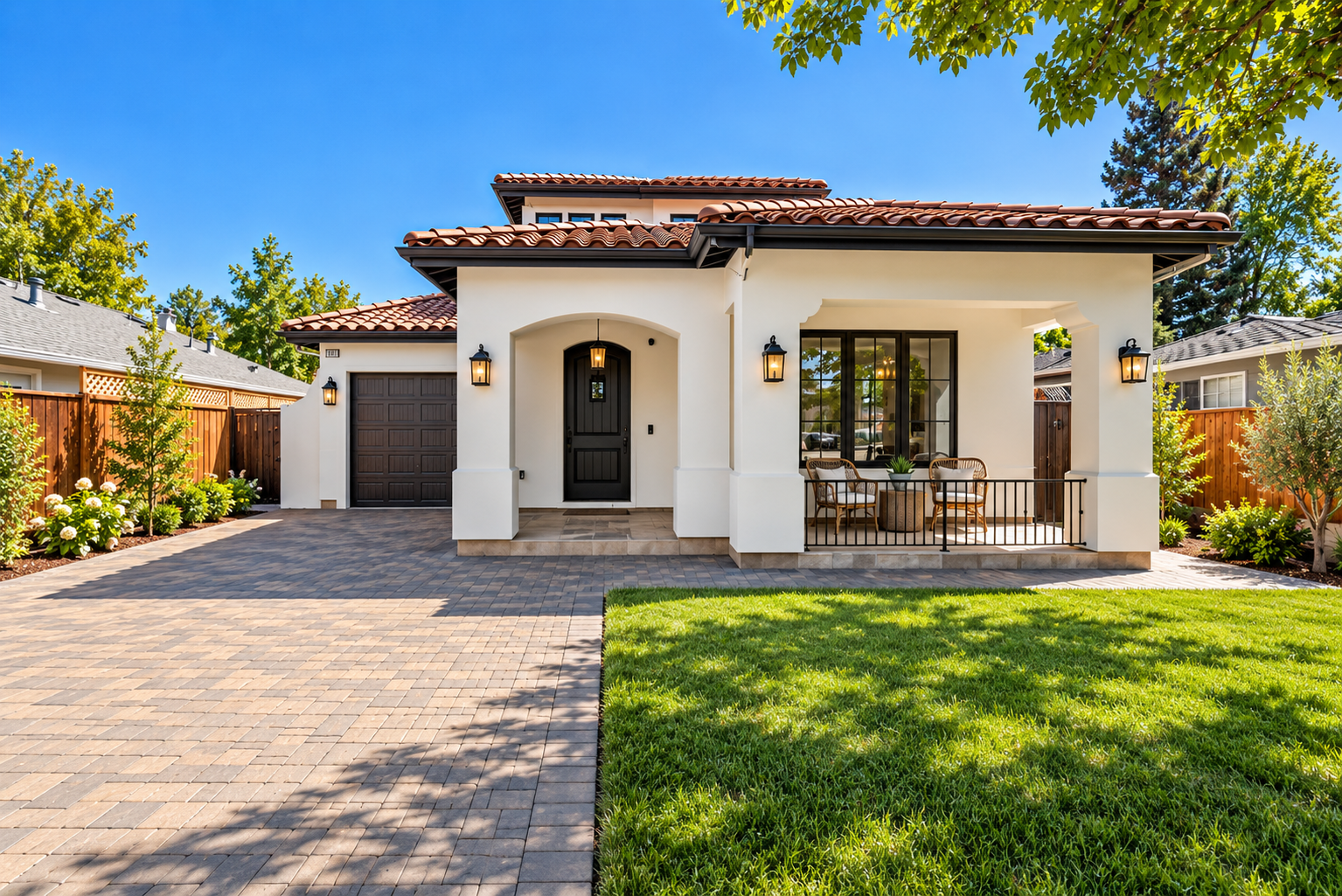
Palo Alto homes. Read the architecture and the setting.
Boyenga Team / Property Nerds field notes
A Palo Alto home is more than a set of listing specifications. The Boyenga Team looks at architectural character, the relationship to the lot, and the details of everyday living—helping buyers and sellers connect the story of a property with a thoughtful decision.
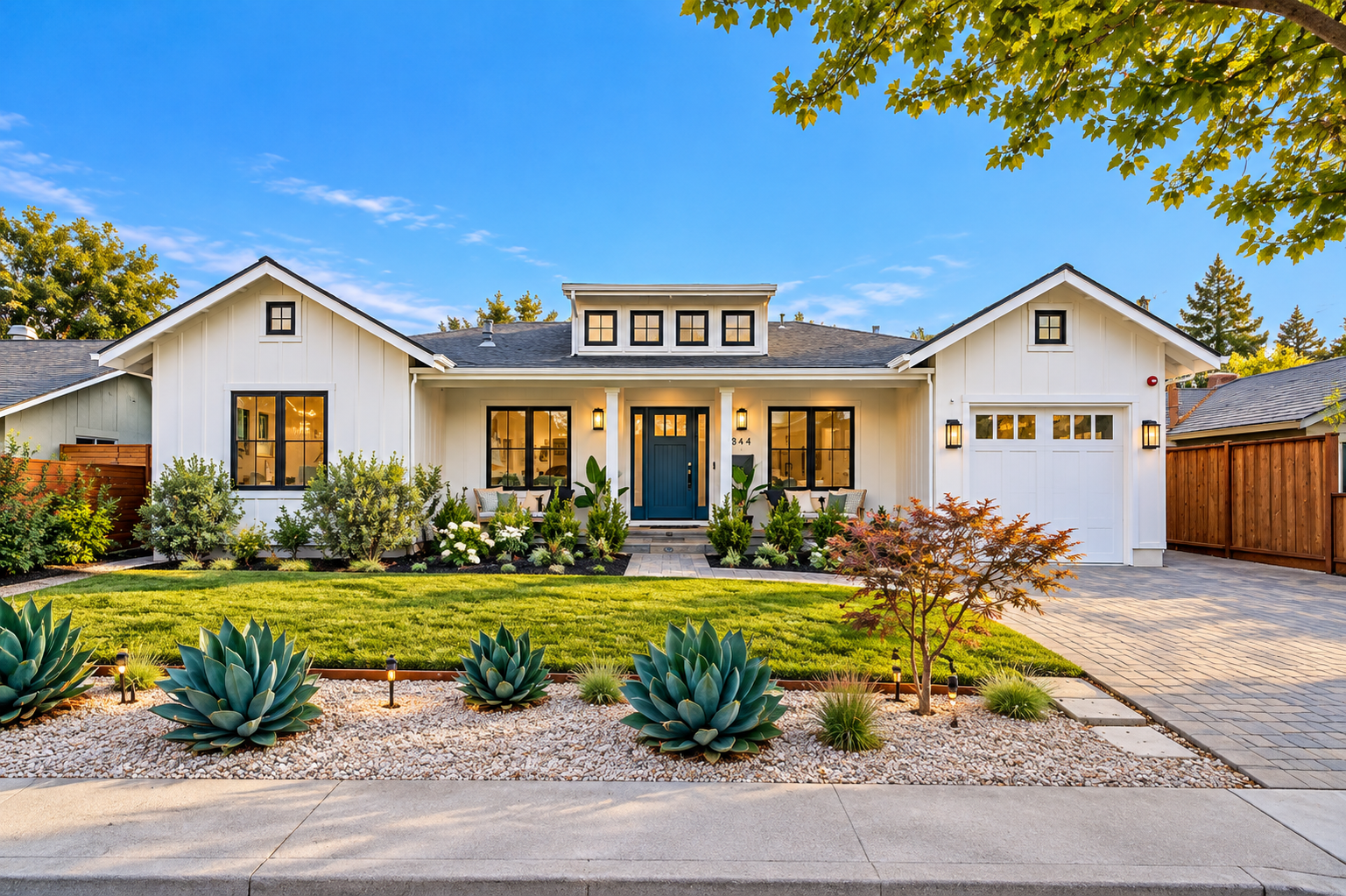
Palo Alto real estate: read the home and its context.
A character home can inspire an immediate reaction. A useful buying decision also accounts for its condition, improvement history, parcel, and daily routines. The Boyenga Team’s Property Nerds bring those details together so architectural appeal has a practical ownership story.
Start with our Palo Alto neighborhood guides, then connect your shortlist with the Boyenga Buyer Advantage.
Neighborhood names are a starting point.
Downtown connections and the route home
When exploring a property near University Avenue or California Avenue, compare the route you would actually use to reach shops, dining, and other destinations. Notice crossings, parking, street activity, and how the home creates privacy. Proximity on a map is only one part of the experience.
Professorville and the historic-home conversation
Professorville is one of Palo Alto’s historic districts. If an older property attracts you, investigate its individual status rather than assuming age or appearance tells the whole story. Palo Alto maintains historic registers and resources for researching properties and proposed work.
Use the city’s historic register resources and historic project review information to frame address-specific questions.
Mid-century and garden-oriented living
For a home with generous glazing or a garden-facing plan, study light, privacy, room connections, and outdoor access during your visit. Ask how later changes relate to the original design. A home’s architectural vocabulary is useful when it helps you explain what you want to preserve or experience.
Architecture deserves an ownership checklist.
Look at the building, not just the finishes.
Identify the original features, later alterations, and available records. Ask which improvements are documented and which questions remain open. Then investigate the roof, systems, drainage, and other condition items with appropriate professionals.
Separate today’s layout from tomorrow’s idea.
If your interest depends on an addition or major alteration, bring that idea into the conversation early. Research the property’s planning and historic-resource questions before treating a proposed project as part of its value. A neighboring renovation does not establish what can happen at another address.
Our architecture field guide helps sharpen your observations; the buying guide explains how property research fits into the transaction.
Compare Palo Alto homes with evidence.
For a home-office or connected-home shortlist, keep address-level internet confirmation and device handoff questions beside the inspection findings. Our internet and smart-home buying guide provides the research brief; the EV charging readiness guide adds parking, equipment and professional-review questions for homes where charging is part of your plan.
Asking price, floor area, and a neighborhood label cannot fully describe a home. Compare relevant sales and current alternatives, then examine differences in layout, condition, setting, usable outdoor space, and transaction timing.
The Boyenga Team helps connect those comparisons with your priorities and the available property information. Keep a short list of what you know, what you still need to investigate, and which terms matter to your move. That gives an offer discussion more substance than a reaction to a listing price.
Explore my Palo Alto buying scenarios ↗
Selling a distinctive Palo Alto home.
A successful presentation makes the important details easy to understand. An original design feature, a well-considered addition, and a room’s connection to the garden each need a clear visual story. Gather available improvement records and identify the property questions buyers are likely to ask before photography and launch.
The Boyenga Team connects preparation, architectural storytelling, digital marketing, and relevant pricing context around your specific home. We help prioritize the work to consider and the features to explain, with attention to your timing and goals.
Explore our home preparation services and seller marketing approach.
Request a Palo Alto property review ↗
Palo Alto buying and selling questions.
How do I research whether a home is historic?
Start with the city’s historic registers and project-review resources, then confirm the property’s status with the appropriate city staff. Eligibility, district context, and individual designation deserve specific research; an older construction date alone is not a complete answer.
How should I compare an older home with a newer one?
Compare the qualities you value alongside condition, layout, improvement history, and ownership needs. Describe the tradeoffs in concrete terms rather than assuming either age category is automatically the better fit.
Does a Palo Alto address establish school assignment?
Verify the exact address and current enrollment procedures directly with the relevant school districts. Keep that research separate from neighborhood shorthand and listing descriptions.
Should I make improvements before selling?
Begin with a property review and your intended timing. Consider presentation, documented condition, project scope, and relevant competition before committing to work. Focused preparation may deserve a different discussion from a major remodel.
Bring your Palo Alto questions to the Property Nerds.
Tell the Boyenga Team which design details caught your eye, which locations you are comparing, and what your next move needs to accomplish. Use the form below to start a property-specific conversation.