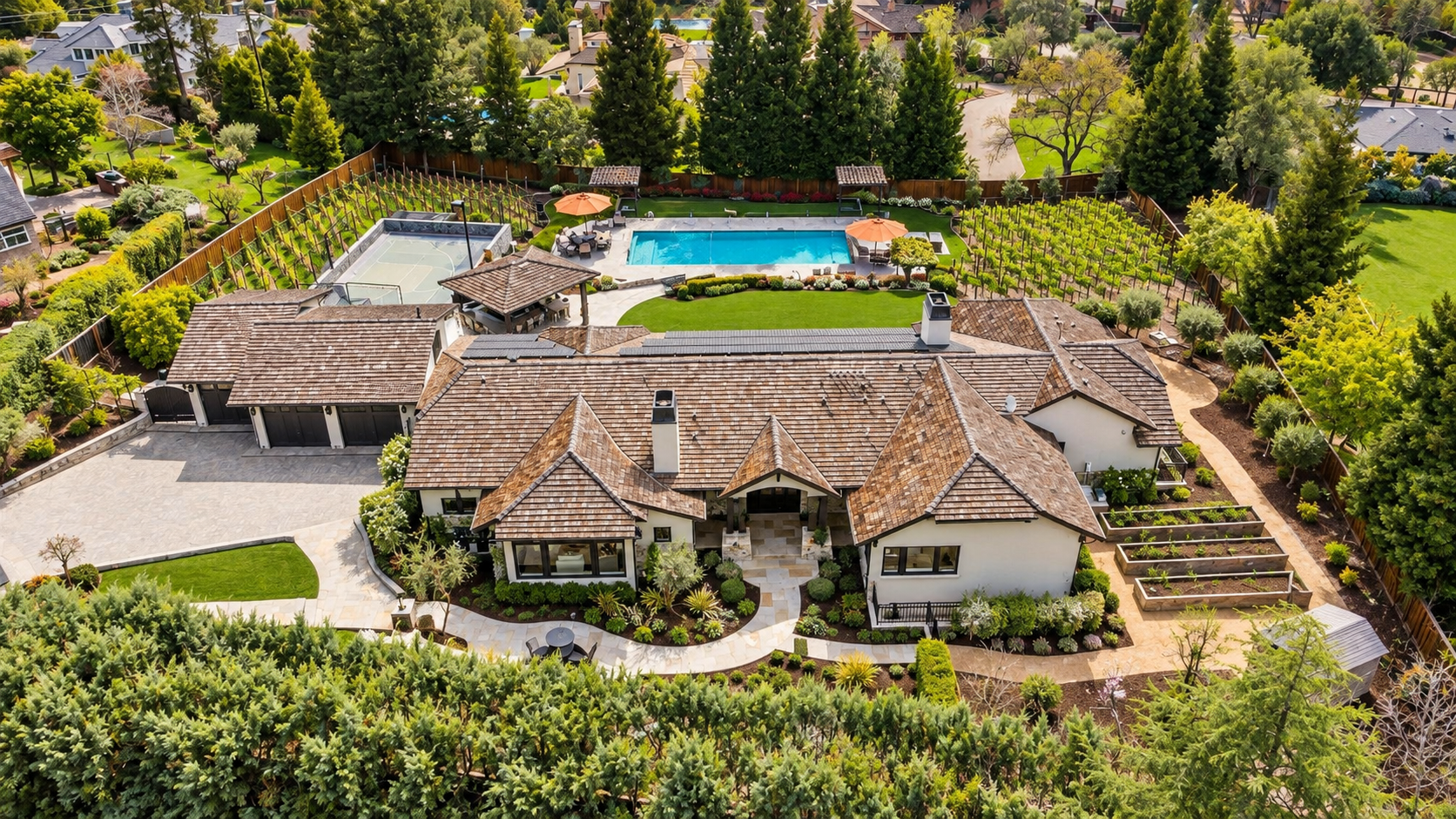
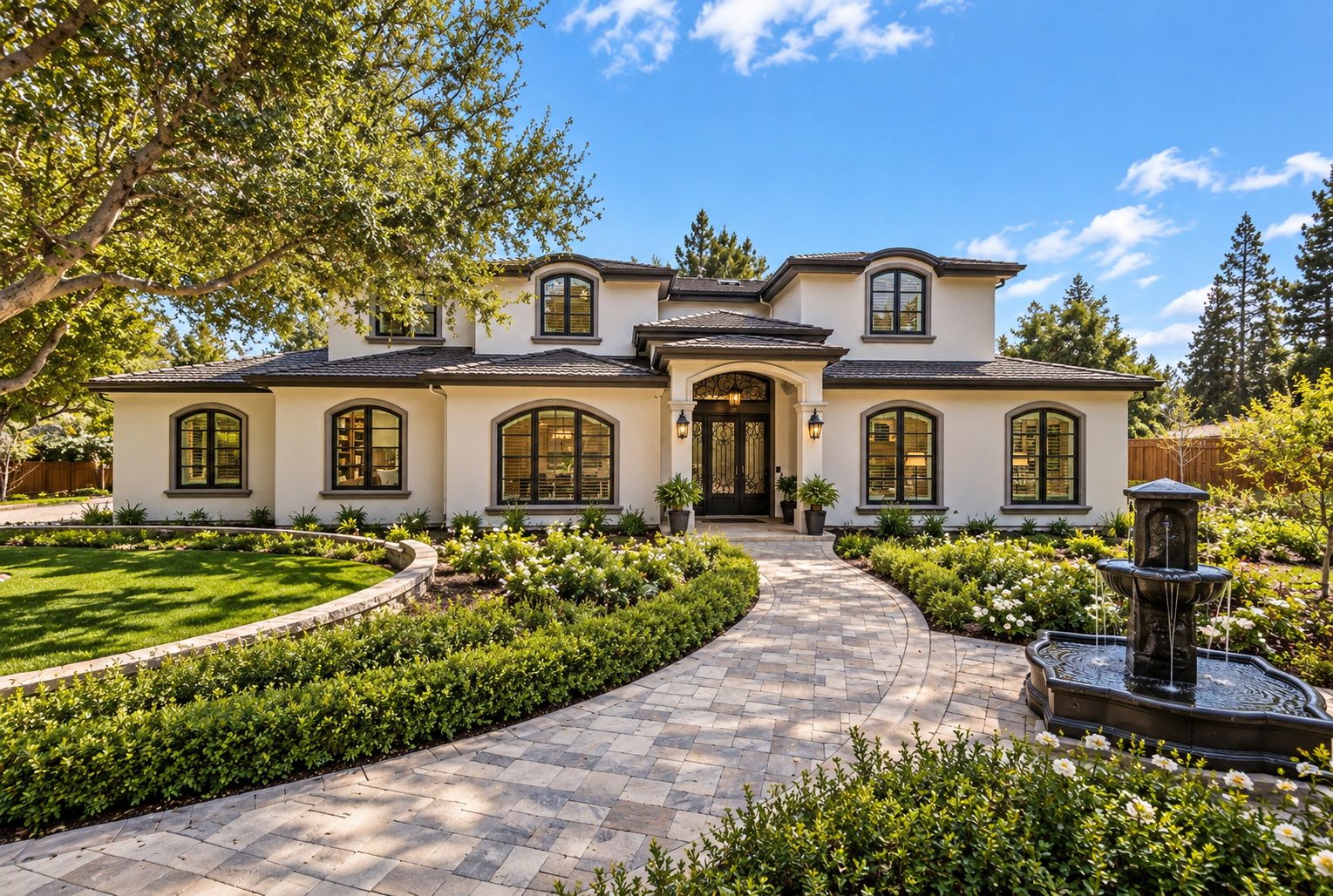
Saratoga homes. Look closer at the setting.
The home, the parcel, and the way you spend your day all belong in the same conversation. The Boyenga Team helps Saratoga buyers and sellers connect architectural character with practical property research.
Property Nerds® field notes / Saratoga, California
Historic Saratoga Village brings dining, shops, and older buildings into a compact downtown setting. Start there to get oriented, then compare how each home connects with the places that matter to you.
Saratoga real estate: begin with the land.
A home’s acreage can grab your attention. Its relationship to the land tells you more: where the rooms open, how the garden is used, what the slope changes, and which improvements need closer investigation.
The Boyenga Team’s Property Nerds connect those observations with property records, relevant sales, and your next move. Bring the address and your ideas; we will help organize a more useful research brief.
Village, residential streets, or hillside?
Use Saratoga Village as one starting point for exploring the city, then compare the actual setting of each home. A location near dining, a residential street farther from the Village, and a hillside parcel can offer very different daily routines.
Walk the route you would use, examine parking and access, and visit at relevant times. Make observations about the property rather than assigning the same lifestyle to an entire neighborhood.
Explore our Saratoga neighborhood guides and the city’s official trail maps as you build your shortlist.
Lot size is only the first measurement.
Compare usable outdoor areas, grade changes, driveway configuration, tree placement, and the way the house sits on the parcel. Ask which parts of the property support your intended activities today.
For future work, investigate boundaries, easements, setbacks, and site constraints with appropriate professionals. Saratoga’s Planning Division provides resources on net site area, slope, trees, and development standards; use those to frame questions about the specific parcel.
Start your research with the city’s Planning Division resources.
Read the architecture beyond the finishes.
In a ranch, study room connections, rooflines, and access to the garden. In a mid-century home, consider how glazing, privacy, and original materials work together. In a custom estate, compare the circulation and maintenance demands of the whole property.
Separate features worth preserving from projects you would want to investigate. A new finish palette cannot tell you whether an addition works with the original home.
Our architecture field guide helps turn a design reaction into a more precise conversation.
Buying: assemble the evidence before the offer.
The Boyenga Team helps connect your tour notes with available disclosures, inspections, improvement history, and comparable properties. We look at condition, layout, setting, and timing alongside asking price.
For a property with a pool, extensive landscape, retaining structures, or specialized systems, identify the relevant inspections and ongoing ownership questions early. Keep unanswered items visible as your offer discussion develops.
Follow the buying process and use our buyer tools to prepare for the conversation.
Selling: decide what deserves investment.
Before commissioning a major project, assess what buyers need to see and understand. That might mean improving presentation, organizing records, addressing condition questions, or showing how outdoor areas connect to the house.
The Boyenga Team develops preparation and marketing around your home’s strongest evidence. Architectural photography, a clear property narrative, and relevant pricing context should tell the same story.
Explore our home preparation approach and seller marketing services.
A renovation idea needs a research plan.
If your purchase depends on an addition, a changed floor plan, or a new outdoor feature, discuss that idea before treating it as part of the home’s value. Gather available plans and permits, then ask the city and qualified project professionals what needs investigation.
Tree placement, site conditions, and the existing building may shape the conversation. The team can help organize your questions, while the appropriate authorities and specialists determine requirements and feasibility.
Keep the home’s current usefulness separate from an improvement that has not yet been evaluated.
Price the property you actually have.
For sellers, a dated comparison should account for condition, presentation, setting, usable land, and the competing homes a buyer could choose. For buyers, the same comparison helps explain why similar floor areas may produce different decisions.
We put property details beside market evidence rather than using a broad average as a valuation. Ask how each comparable differs and which differences deserve closer discussion.
Saratoga home buying and selling FAQs.
How should I compare a larger lot with a smaller one?
Describe how you would use the outdoor space, then compare usable areas, slope, access, and maintenance needs. Gross lot size is a starting measurement; a site-specific review gives your plans more context.
What should I research before planning an addition?
Gather available permit and improvement information and discuss the parcel with Saratoga’s Planning Division and qualified design professionals. Research applicable site, tree, and development questions before assuming a project can proceed.
How do I confirm school assignment for a Saratoga home?
Contact the relevant districts with the exact property address and verify current assignment and enrollment procedures directly. A city name or a nearby home’s school information is not enough.
Should I renovate before selling?
Start with a property review. Compare the likely presentation benefit, scope, timing, and costs of potential work with alternatives such as focused repairs or staging. The right preparation plan depends on your property and goals.
Can the team help coordinate a sale and another purchase?
Yes. Share both sides of the move early so we can discuss timing, preparation, and transaction priorities together. Financing and temporary housing questions may also require coordination with your lender and other advisers.
Your next move deserves a specific brief.
Comparing Saratoga with Los Gatos or Cupertino? Tell the Boyenga Team which properties caught your attention and what you still need to understand. Use the inquiry form on this page to start with your priorities.